2025
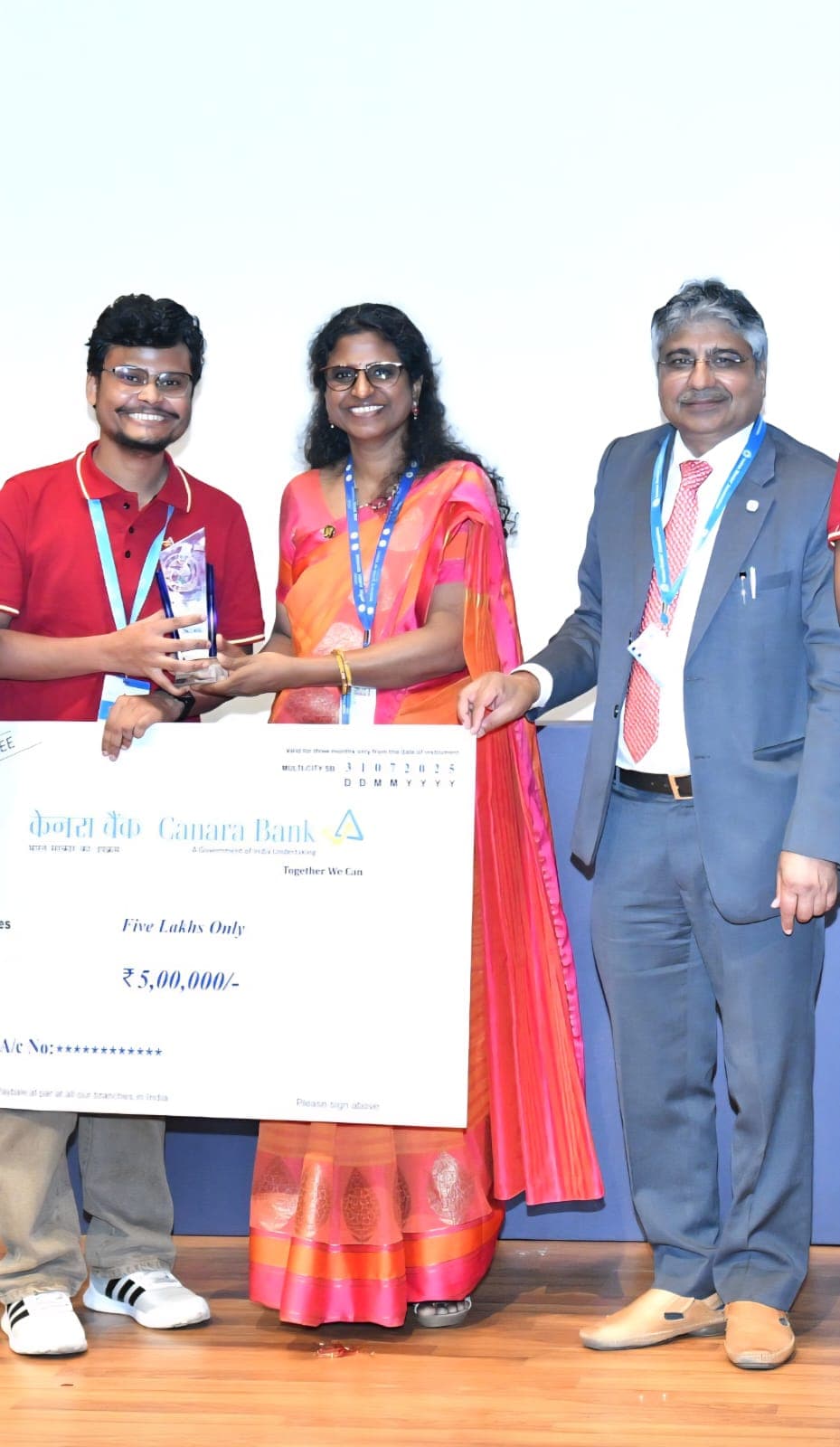
Winner
Canara Bank Cyber Suraksha Hackathon
Won the national-level cybersecurity hackathon run by Canara Bank with the Department of Financial Services and the Indian Banks' Association. Led the team and took the ₹5,00,000 first prize.
I'm interested in building reliable backend systems and cloud infrastructure — from APIs and distributed services to Kubernetes clusters, CI/CD pipelines, observability, and automated deployments.
My interests sit at the intersection of DevOps, Infrastructure, Backend Engineering, FinTech, Data Security, and Applied AI. I enjoy working on problems where reliability, security, and correctness matter more than simply making something work.
I've contributed to open-source projects and worked on systems involving Kubernetes, Helm, Docker, cloud-native deployments, payment infrastructure, and reconciliation workflows, including my Google Summer of Code 2026 work with Mifos Initiative.
Currently studying Information Technology at KNIT Sultanpur, I'm looking for opportunities to work on backend, platform, DevOps, and infrastructure engineering while exploring how AI can make these systems smarter without compromising their reliability.
Canara Bank Cyber Suraksha Hackathon
Won the national-level cybersecurity hackathon run by Canara Bank with the Department of Financial Services and the Indian Banks' Association. Led the team and took the ₹5,00,000 first prize.
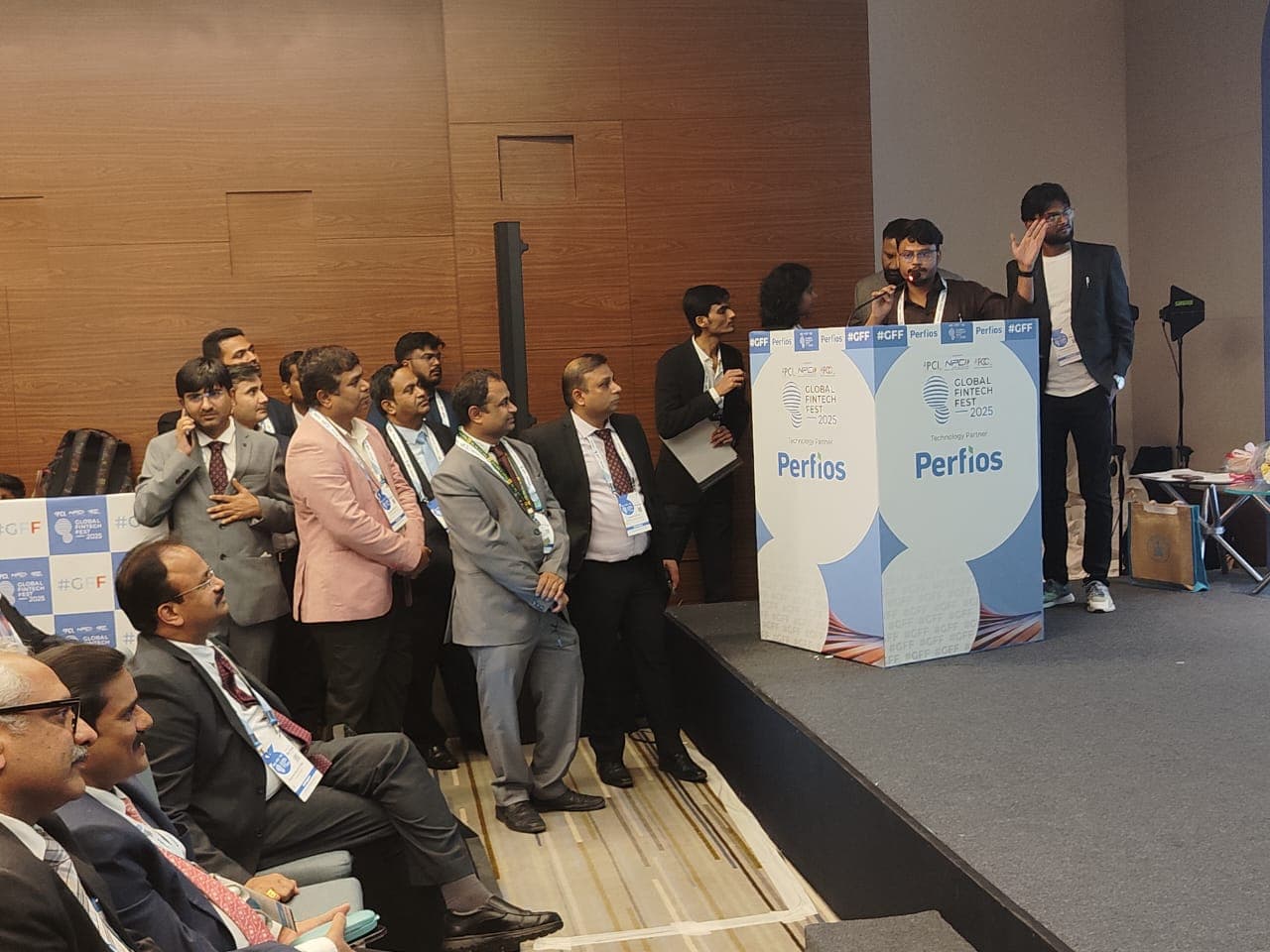
Global Fintech Fest
Pitched the winning Cyber Suraksha solution on stage at Global Fintech Fest, to an audience of banking and fintech leadership.
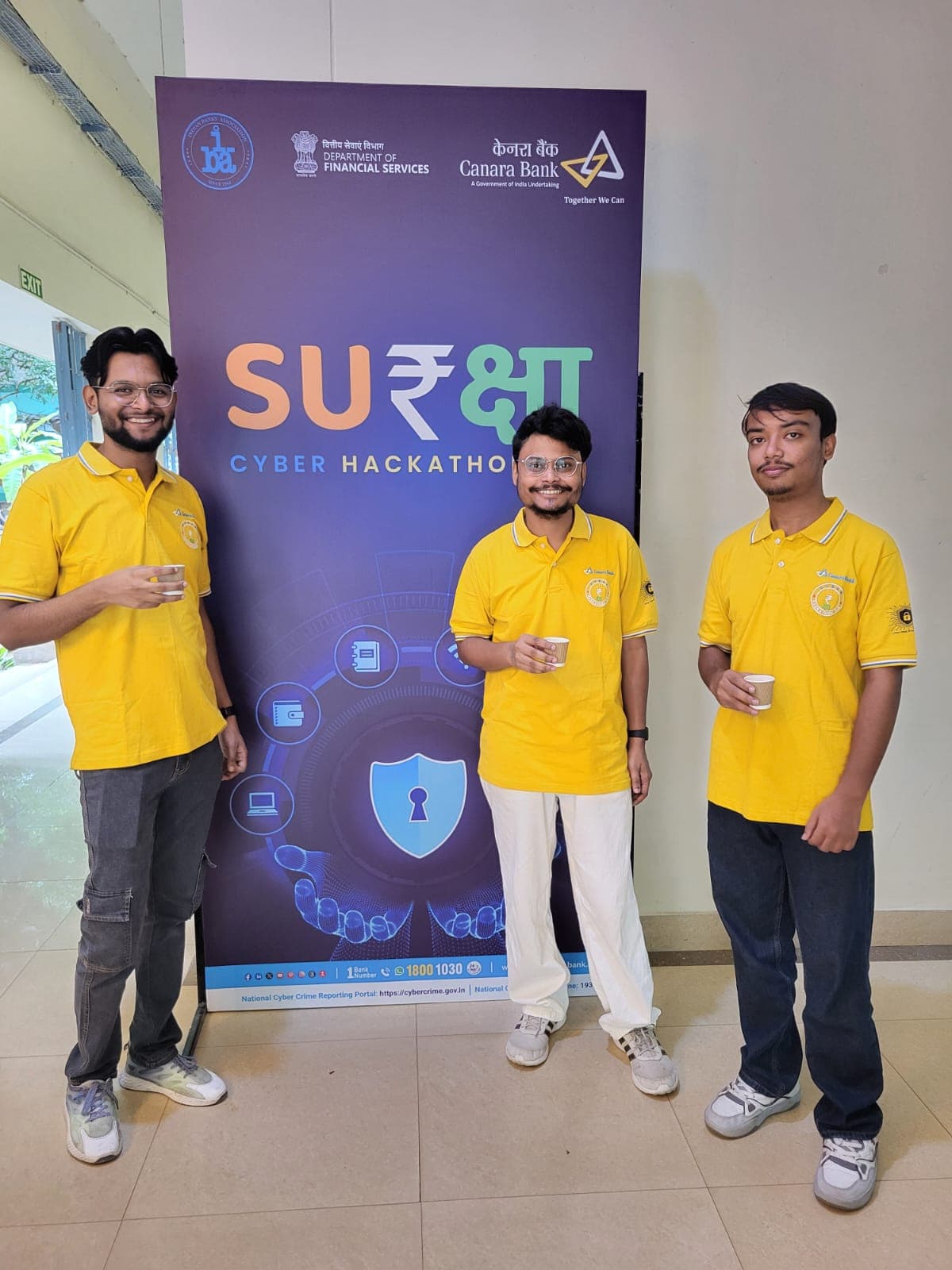
Canara Bank Cyber Suraksha Hackathon
Returned the following year and reached the national finals again, placing in the top 9 teams.
A working set of what I've shipped — systems, tools, and interfaces. Every card renders as ASCII until you get close.

An AI-SRE agent that proves the fault before it explains it.
A full-stack AI-SRE platform: a React/Vite UI over a Quarkus backend that uses Fabric8 to snapshot and analyze live Kubernetes cluster resources. An extensible analyzer pipeline resolves workload owners and aggregates findings to detect crash loops, ImagePullBackOffs, unschedulable pods, and init-container failures. Cloud and local LLMs are integrated through LiteLLM for diagnosis and remediation suggestions, with fingerprint-based caching to avoid redundant model calls, plus credential redaction and Gitleaks CI scanning to keep AI operations from leaking secrets.
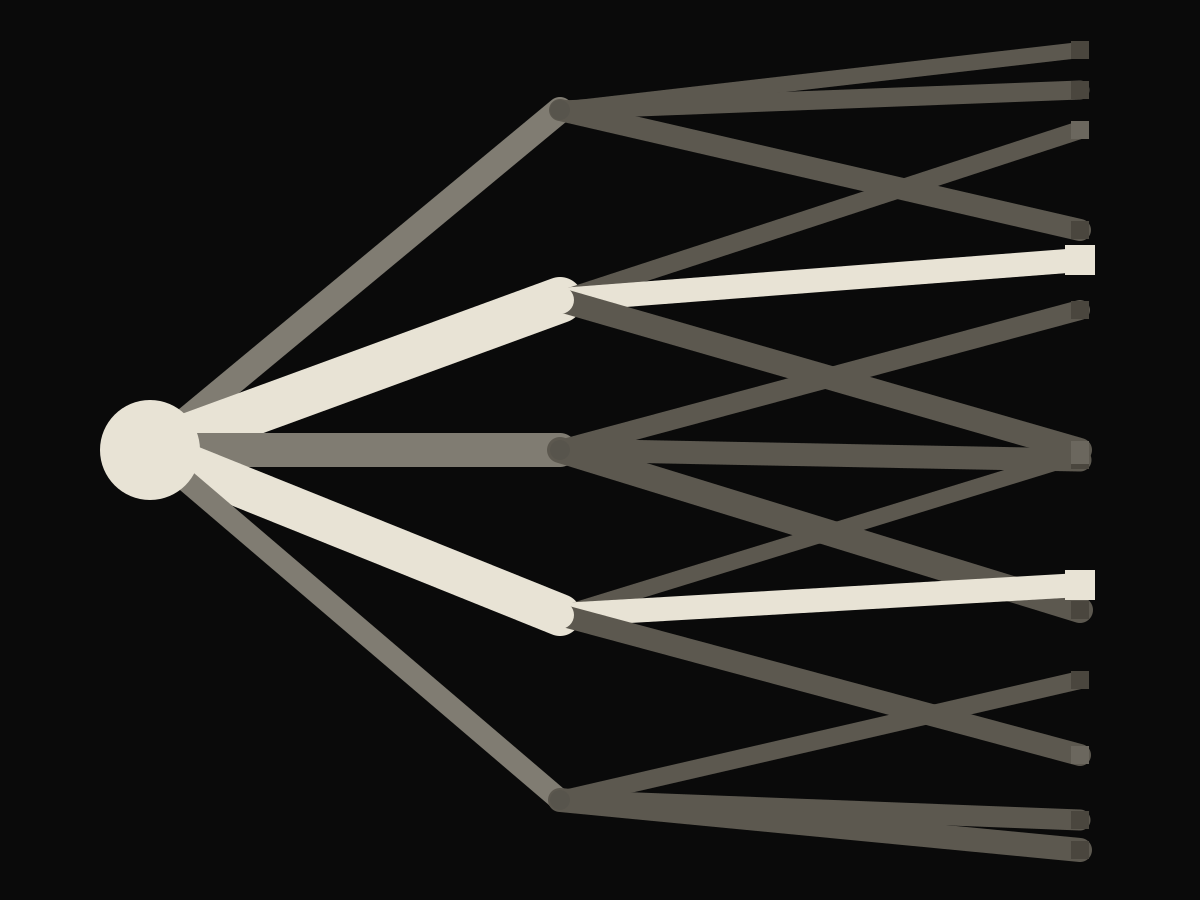
Makes undocumented Helm charts understandable.
Renders a chart with real Helm, then traces every value in values.yaml to the exact Kubernetes resources and fields it affects. Attribution is deterministic: it re-renders while perturbing one value at a time and diffs the output, so it catches values that reach the manifest through helpers and subcharts, not just direct references. An LLM layer then narrates the already-verified map without inventing chart behaviour. Ships as a CLI and a VS Code extension; the deterministic core works fully offline with no API key.

Real-time messaging where the server only ever holds ciphertext.
A full-stack messaging platform on React, Spring Boot, MySQL and Docker Compose, separating REST-based application control from WebSocket/STOMP message delivery. Direct messages are end-to-end encrypted with the Signal Protocol (X3DH + Double Ratchet), with all key generation happening browser-side via WebCrypto. JWT-based stateless auth with Spring Security and BCrypt covers 22 REST endpoints, and key management spans pre-key bundles, one-time prekeys, and password-protected encrypted key backups using PBKDF2 and AES-GCM.

A voice-first grocery commerce app.
A grocery delivery application built around a hands-free voice assistant rather than a search box. Powered by ElevenLabs conversational AI over a Supabase backend, with authentication, cart, order history, and delivery management.